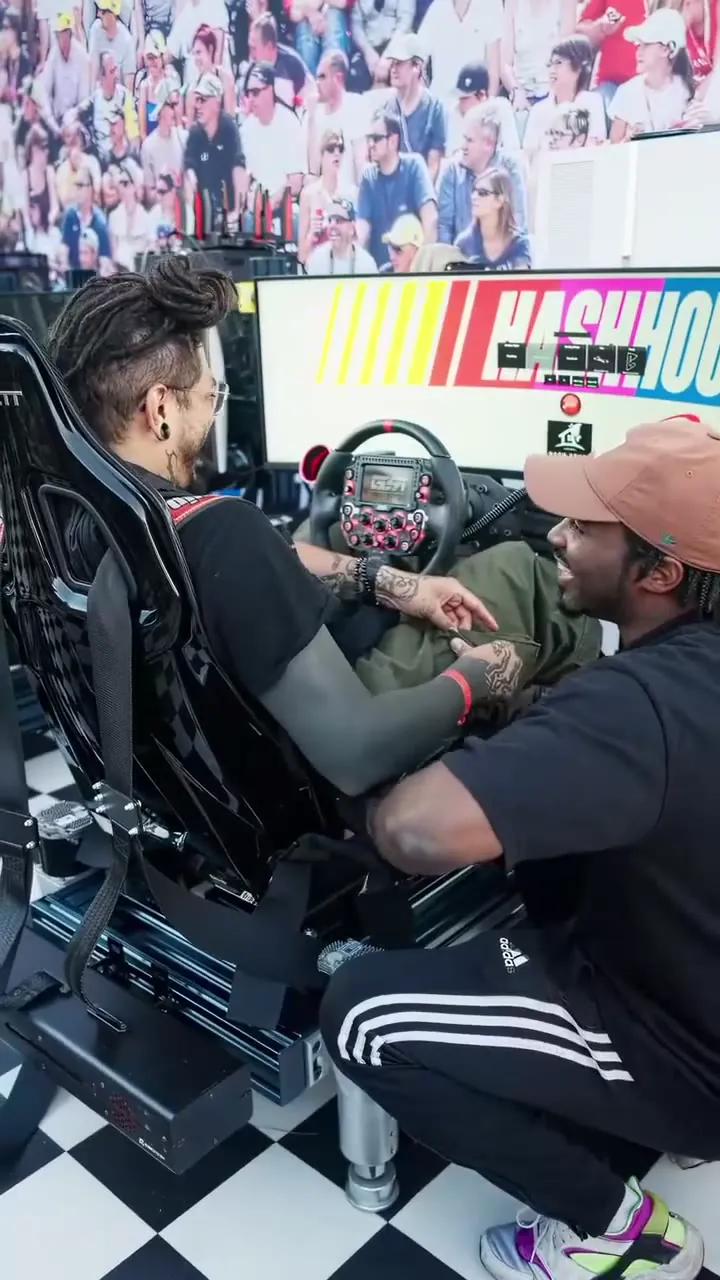
We have. At PuffCon, three simulators ran 520+ sessions for 260+ unique drivers across a 16-hour day inside a 15,000-guest block party, with 46% of drivers coming back for a second run. Throughput scales with rig count, so the configuration follows your expected headcount.
Venue · Los Angeles
Racing simulator activations at Los Angeles Center Studios.
A downtown studio lot with stages, backlot space and a gate schedule that decides your load-in. We have run a 15,000-guest activation here, which is a useful reference point for how the format behaves at scale.
What we have already run here.
At Puffco’s PuffCon block party, three full-motion simulators anchored a 15,000-guest event across a 16-hour day — 520+ sessions, 260+ unique drivers and a 46% return rate.
The return rate is the number worth noting. Nearly half the drivers queued a second time inside a single day, at an event with 15,000 people and no shortage of alternatives. The full case study is here.
Gate windows and continuous operation.
A studio lot runs on a booked access schedule with security at the gate, so load-in is a slot rather than a decision made on the day. Once inside, surfaces are asphalt and open ground; cable runs are routed and matted, and rig placement follows where the crowd should gather rather than where the nearest outlet happens to be.
A 16-hour day is a staffing question as much as an equipment one. Crew rotation is planned in advance so the grid runs continuously from open to close rather than degrading through the back half of the event.
What we need on your floor
- Motion
- Full-motion
- Every rig. No static seats, no exceptions.
- Footprint
- 5′×8′
- Per rig in operation. 10′×12′ for a pair with room to queue.
- Power
- 1 outlet
- One standard 110V outlet per two rigs. No generators, no special wiring.
- Throughput
- 15–20
- Guests per hour, per simulator. Multiplies with every rig you add.
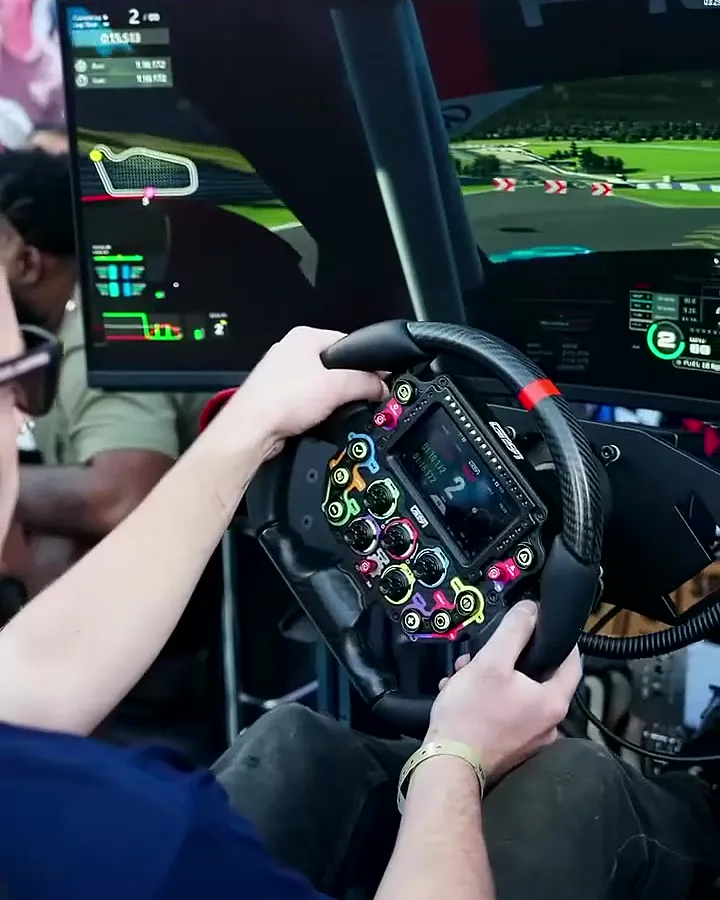
Common questions
Mostly it needs respecting the gate window. Lots run on fixed access schedules with security at the entrance, so load-in is booked rather than improvised. Surfaces are usually asphalt, which is fine — cable runs get routed and matted.
End to end. Custom liveries put your brand on the cars, the virtual track and the big-screen broadcast, so it reads as part of the event rather than as rented equipment parked in a corner. Branding is produced ahead of load-in and approved by your team.
PuffCon ran 16 hours. Programs are built around five event hours as standard, and longer or multi-day runs are quoted to scope with crew rotation planned for continuous operation.
The measured version
- —Puffco · PuffCon, Los Angeles Center Studios — 260+ drivers and 520+ sessions inside a 15,000-guest block party, 46% back for a second run.
- —Racing simulator rental in Los Angeles — the wider LA County page.
- —All venues we have run.
Planning something at Los Angeles Center Studios?
Tell us the hall, the dates and the footprint you have been assigned. One reply within one business day — availability and a single recommended configuration.